Exploring Convenient Public Transport Options within Petronas Twin Towers Vicinity

Petronas Twin Towers is an iconic landmark and a symbol of Kuala Lumpur’s modernity and progress. Located in the heart of the city, it attracts millions of visitors each year. To enhance accessibility and mobility, several convenient public transport options are available within the vicinity of the towers. In this article, we will explore the public transport options near Petronas Twin Towers, highlighting their convenience and benefits in facilitating easy access to this iconic destination and the surrounding attractions.

KLCC LRT Station

Situated just a short walk away from Petronas Twin Towers, KLCC LRT Station (Kelana Jaya Line) provides excellent connectivity to the rest of Kuala Lumpur. As part of the Kelana Jaya Line, this station offers seamless connections to key locations, including shopping districts, cultural landmarks, and residential areas. Commuters can easily reach popular destinations like Bukit Bintang, Chinatown, and Merdeka Square via the LRT network.

Raja Chulan Monorail Station

Located within close proximity to Petronas Twin Towers, Raja Chulan Monorail Station provides an alternative transportation option for commuters. The monorail system connects various areas of Kuala Lumpur, including popular shopping districts like Bukit Bintang and Pavilion Kuala Lumpur. Visitors can conveniently access the Petronas Twin Towers from Raja Chulan Monorail Station and explore the surrounding areas with ease.

Bus Services

Petronas Twin Towers is well-served by an extensive network of bus services, offering affordable and convenient transportation options. Numerous bus stops are located within walking distance of the towers, providing access to various parts of the city. Commuters can utilize the bus services to explore Kuala Lumpur’s attractions, business districts, and residential areas, making it a flexible and budget-friendly mode of transport.

Ride-Hailing Services

In addition to traditional public transport options, ride-hailing services like Grab are widely available in Kuala Lumpur. Visitors to Petronas Twin Towers can easily book a ride through mobile apps, ensuring convenient and reliable transportation to and from the towers. Ride-hailing services provide flexibility and personalized travel experiences, catering to the preferences and needs of individual commuters.

Pedestrian Walkways

For those who prefer to explore the area on foot, Petronas Twin Towers is surrounded by well-designed pedestrian walkways. These walkways provide safe and convenient access to nearby attractions, such as KLCC Park, Suria KLCC shopping mall, and the Aquaria KLCC. Visitors can enjoy a leisurely stroll while taking in the stunning architecture and vibrant atmosphere of the surroundings. You can also access a covered walkway to Pavilion KL.

Conclusion

Public transport options near Petronas Twin Towers offer convenience and accessibility to both locals and tourists visiting this iconic landmark. Whether it’s the KLCC LRT Station, Raja Chulan Monorail Station, bus services, ride-hailing services, or pedestrian walkways, commuters have a range of transportation choices to explore the towers and the vibrant city of Kuala Lumpur. These public transport options ensure easy access to the surrounding attractions, shopping districts, cultural landmarks, and residential areas, enhancing the overall travel experience for visitors. Embrace the convenience and accessibility of public transport near Petronas Twin Towers, and uncover the wonders of Kuala Lumpur with ease.

History of Public Transport in Malaysia

The history of public transport in Malaysia is a testament to the nation’s growth and development. From humble beginnings to a comprehensive network of modern transportation, Malaysia’s public transport system has undergone significant transformations over the years. In this cornerstone article, we will delve into the history of public transport in Malaysia, exploring its evolution, key milestones, and the role it plays in shaping the country’s infrastructure and connectivity.

Early Modes of Transportation

In the early days, Malaysia’s transportation relied heavily on traditional modes such as horse carriages, bullock carts, and riverboats. These rudimentary modes of transport served as the backbone of local communities, connecting people within towns and facilitating trade between regions.

Introduction of Railways – A Significant Part of History of Public Transport in Malaysia

The introduction of railways in Malaysia marked a significant milestone in the country’s transportation history. In 1885, the first railway line was established, connecting Taiping to Port Weld (now known as Kuala Sepetang). The development of railway networks expanded rapidly, with lines connecting major cities and towns, revolutionizing intercity travel and facilitating the transportation of goods.

The Rise of Buses

As Malaysia continued to develop, the need for a more flexible and accessible transportation system became evident. The 1920s witnessed the rise of buses as a popular mode of public transport. Buses gradually replaced horse-drawn carriages and trams, offering greater convenience and mobility for both urban and rural areas.

Urban Rapid Transit Systems

In the 1980s, Malaysia embarked on an ambitious plan to address the growing traffic congestion in urban centers. KTM Berhad has introduced KTM Komuter service in August 1995. KTM Komuter commenced its operations in August 1995, marking a crucial milestone in Malaysia’s rail transport development. The introduction of the Komuter service provided a much-needed rail link between various suburbs and urban centers, facilitating smoother and more efficient travel for commuters.

The LRT system in Malaysia took its first steps towards transforming public transportation with the opening of the Kelana Jaya Line in 1998. The LRT network has since expanded, connecting various parts of the city and improving accessibility for commuters.

Read more: LRT Kelana Jaya Line

Introduction of Monorail and Mass Rapid Transit (MRT)

In the early 2000s, Malaysia introduced the monorail system as an additional mode of urban transportation. The Kuala Lumpur Monorail, operating since 2003, has become an iconic feature of the city’s skyline.

However, it has faced several issues over the years that have affected its efficiency and reliability. One major issue with the KL Monorail is its aging infrastructure. The system was first introduced in 2003, and as time passes, the wear and tear on the tracks, trains, and stations have become evident. This has led to frequent breakdowns, delays, and service disruptions, inconveniencing commuters.

Furthermore, the recent development of the Mass Rapid Transit (MRT) system has further enhanced Malaysia’s public transport network, providing efficient connectivity to various suburbs and satellite towns. The MRT Kajang Line, also known as MRT SBK Line, is an integral part of Kuala Lumpur’s urban rail network. It spans approximately 51 kilometers, connecting densely populated areas and major transportation hubs. The MRT Putrajaya Line, also known as MRT SSP Line, is an extension of the MRT system. It serves as a crucial link connecting Kuala Lumpur to Putrajaya, Malaysia’s administrative capital.

Read more: MRT Kajang Line, MRT Putrajaya Line

Integration and Interconnectivity – Ongoing Issues Affecting Public Transport in Malaysia

Recognizing the importance of seamless connectivity, Malaysia has made efforts to integrate its various modes of public transport. Initiatives such as the Integrated Transport Terminal (ITT) and the Common Ticketing System have been introduced to ensure easy transfers between different modes of transport, making it more convenient for passengers to travel across the country.

Read more: Terminal Bersepadu Selatan (TBS) Kuala Lumpur,

Future Developments and Sustainability of Public Transport in Malaysia

Malaysia continues to invest in the development of its public transport infrastructure to meet the demands of its growing population and to address environmental concerns. Future projects include the expansion of existing rail networks, the introduction of electric buses, and the implementation of smart technologies to improve efficiency and sustainability.

As of now, Malaysia does not have any dedicated transport museum yet. However, Muzium Negara has some information about transport development in Malaysia.

Putrajaya: New City, Limited Options for Public Transport

Putrajaya, Malaysia’s administrative capital, is a well-planned city with a focus on creating a sustainable and connected urban environment. However, like any developing city, Putrajaya faces certain challenges when it comes to public transport connectivity. Its layout and spread-out nature make last-mile connectivity a significant challenge. Although buses are available, the lack of convenient bus stops and routes can make it difficult for commuters to reach their final destinations.

Putrajaya’s connectivity issues are further exacerbated by the limited integration with surrounding areas. Seamless travel between Putrajaya and neighboring cities such as Kuala Lumpur and Cyberjaya is essential for effective transportation networks. However, the lack of integrated transport systems and limited interconnectivity options make it challenging for commuters to travel between these areas efficiently.

Conclusion

The history of public transport in Malaysia is a testament to the country’s progress and commitment to connectivity. From humble beginnings to modern and integrated systems, Malaysia’s transportation infrastructure has evolved significantly over time. The continuous development and expansion of public transport networks have not only improved accessibility and mobility but also contributed to economic growth and environmental sustainability. As Malaysia looks towards the future, further advancements in public transport are expected, promising a more connected and sustainable nation for its people.

Multi Lane Fast Flow (MLFF) – New Dawn in Malaysian Expressway Usage

Recently, Malaysian Works Minister, Datuk Seri Alexander Nanta Linggi has announced that the government will be implementing open payment system for toll users, starting with selected highways for its pilot round. The system, known as Multi Lane Fast Flow (MLFF) will eventually enable highway users to make payment without stopping at the toll plaza or slowing down.

The open payment system will be implemented in 11 highways in Malaysia which include Damansara-Puchong Expressway (LDP), SPRINT Highway, Shah Alam Expressway (Kesas), SMART Tunnel, Kuala Lumpur-Putrajaya Expressway (MEX) and others. The open payment system will enable users to pay for tolls via credit and debit cards in addition to the current Touch ‘n Go. The five highways that have agreed to participate in the open toll payment system are Damansara-Puchong Expressway (LDP), SPRINT Highway, Shah Alam Expressway (Kesas), SMART Tunnel and Kuala Lumpur-Putrajaya Expressway (MEX).

Many road users have been complaining about their awful experience when facing problem with current payment implementation system.

One of the biggest gripes is the payment options at the toll booths. For example, when customers enters RFID lane and has insufficient balance, they need to reverse their car and switch over to other lanes. This is troublesome and became a huge traffic hazard. Hence, with the new implementation, we hope that the government will ensure that multi-payment option exists at all lanes too. For those with more than 1 method of auto-payment, a payment priority system should be in place. For example, if customers have both SmartTAG and RFID on their car, then perhaps the toll operator would attempt to charge RFID first before moving on to SmartTAG.

Sources

  1. 29/03/2023(1) LDP, SPRINT Highway to implement open payment system for toll, too …. https://www.malaysianow.com/news/2023/03/28/ldp-sprint-highway-to-implement-open-payment-system-for-toll-too Accessed 29/03/2023.
  2. (2) Works Minister: Sungai Besi Expressway is Malaysia’s first MLFF POC …. https://soyacincau.com/2023/03/28/sungai-besi-besraya-mlff-poc-oct-2023-11-open-payment-system-highways/ Accessed 29/03/2023.
  3. (3) 5 More Highways To Participate In Open Toll Payment System. https://www.therakyatpost.com/news/2023/03/28/5-more-highways-to-participate-in-open-toll-payment-system/ Accessed 29/03/2023.

Toll-free Highways Not Possible?

  1. Tun Dr. Mahathir has said that it is not possible to have toll-free roads under current government revenue and spending pattern.
  2. If we must commit to Pakatan’s manifesto, then it means the government’s revenue must be increased.
  3. The Prime Minister also said that they did not expect to win the election when they crafted the manifesto.
  4. There are people who believed that the new government can abolish the tolls for expressways. Hence, they voted for the new government.
  5. The new government then realized many of the populist moves spelt out in their manifeso is not feasible and this is not just because of the huge debt left by the previous government. The revenue stream simply cannot sustain their planned spending pattern.
  6. The new government has less than 5 years from now to prove their capability. Otherwise, people may vote them out in the next upcoming General Election.
  7. Many of the expressway development in Malaysia is being undertaken by private entities. This is because of the huge cost involved in building these expressways.
  8. The limited amount of budget allocated for road maintenance can be channelled towards maintaining other Federal or State roads.
  9. Therefore, while having tolls is not a popular move, it helps to improvise the living condition of the urban population by reducing their travel time within the city or between major cities in Malaysia.

The Inevitable Change in Taxi Industry

March 2018 is seen as a month of victory for our Malaysian-born Grab has it has managed to secure a comfortable portion of electronic hailing (e-hailing) market share in Southeast Asia. A deal was struck between Grab and US-born Uber for the latter to cease operating in the Southeast Asia effective 9 April 2018. In return, Uber gets 27.5% stake in Grab. According to Grab’s official website, almost 4 million rides are done on the platform daily. Being a Malaysian-born company, Grab started its operation in Malaysia as MyTeksi in 2012, moved its headquarters to Singapore in 2014 and now it has expanded to more than 142 cities in Southeast Asia.

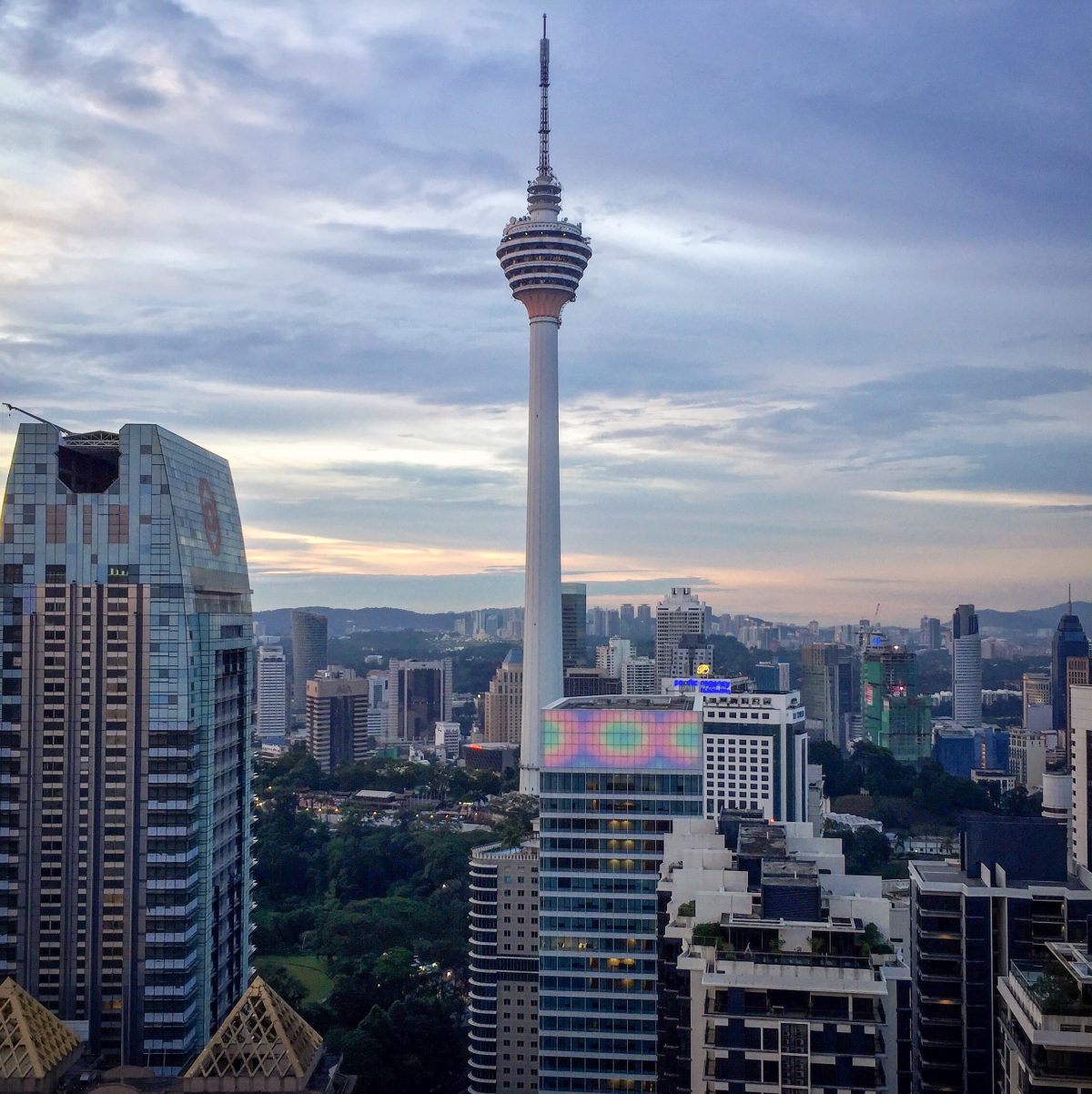
KL Tower
KL Tower

During its initial days of operation as a car sharing service, many taxi drivers oppose it. We have had numerous protests in the heart of Kuala Lumpur to oppose the e-hailing services. The government and its affiliated agencies were pressured to intervene in order to safeguard the interest of taxi drivers and companies. The situation became worse as the taxi drivers tend to take matters into their own hands. On 28 June 2016, a 35-year old Grab driver was attacked by irate taxi drivers as he was about to pick up a passenger outside the MidValley Megamall. Meanwhile, on 20 June 2016, an Uber driver was attacked at KL Sentral station and one of his passengers was injured as an angry taxi driver dragged them out of the car.

Let us face the reality. In the past, the Malaysian government and private sectors within their respective capacities have tried to improve the system. Exclusive access and waiting areas were assigned to numerous shopping malls, airports and other points of attraction. Besides, NGV, a cheaper vehicle fuel alternative was also introduced to key areas in Malaysia, especially in the Klang Valley area. The government has also demonstrated its commitment to assisting taxi drivers by making NGV more affordable for them. According to Malaysia: Natural Gas Industry Annual Review 2012 report published by Malaysian Gas Association, the Malaysian government has spent almost RM 28 billion in the form of various subsidies for natural gas, NGV included.

Despite the numerous improvement methods, many taxi drivers suffer from an attitude problem. It is common to hear tourists complain about being overcharged and violent driving behaviour of the drivers. On 17 December 2016, Malaysians got a shock of their life when two French tourists were charged RM 800 for a short ride from KLCC to National Mosque. While stern actions have been taken by the Land Public Transport Commission (SPAD) on the said taxi operator, over the years, the overcharging and bad driving practice have shown no signs of abating.

To combat the negative attitudes of the taxi drivers, many solutions were proposed. Fares are regulated, and meter usage was made compulsory for all Klang Valley taxi drivers. Anybody still remembers the mandatory “no haggling” signage on our taxis? Unfortunately, our tourists are able to read that sign and still being overcharged by the taxi drivers. The blatant disregard of the law and guidelines have frequently drive tourists and authorities to the wall but not enough has been done to solve the problem. One The Star reporter had even gone undercover to find how deep the problem is. In one article published on 7 Oct 2012 on the news portal, one shocking finding was revealed: only 1 out of 11 taxi drivers in KL followed the regulated fare.

Years of bad service and the advent of smartphones with GPS technology seems to provide a right recipe for e-hailing. As the smartphones get more advanced and affordable, it has opened up a slew of new possibilities, which includes e-hailing. In the early days of e-hailing, many of the drivers were existing taxi drivers. As the years passed by, more people signed up to drive for e-hailing services, citing money-making opportunities and flexible work arrangements as their primary factors in doing so. Besides, the booking and driver review system have improved the service availability and reliability, thus making it more appealing to the users.

After several years of using Grab, the service is no longer a stranger to us. More people do no longer consider purchasing new cars, especially in the heavily-congested areas. Considering how difficult it was to use a taxi service before, there is no point in going back to the old trend. It is now the time for us to move on and think about possible transport advancements in the future.

E14 Eastern Dispersal Link Expressway (EDL)

The Eastern Dispersal Link Expressway (EDL) is an 8.1km long highway connecting E2 North-South Expressway (NSE) and Sultan Iskandar CIQ Complex in Johor Bahru.

EDL has ceased collecting toll since 1 January 2018. The highway was also reported as loss-making throughout its operation period.


Sources

  1. Toll road operators fall on worries about revamp – The Star (https://www.thestar.com.my/business/business-news/2018/05/18/toll-road-operators-fall-on-worries-about-revamp/#4zF3bVq9zkOh55T7.99)

E36 Penang Bridge

E36 Penang Bridge is a tolled bridge linking Butterworth to Bayan Lepas, Penang. The 17.5km highway was opened to the public on 14 September 1985. Its concessionaire is Projek Lebuhraya Usahasama Berhad (PLUS).