Lokomotif ini dibeli oleh Kerajaan Malaysia daripada syarikat Dalian yang berpangkalan di China dengan tukaran minyak sawit. Pada beberapa tahun permulaannya, lokomotif ini sering menghadapi pelbagai masalah, sehinggakan hanya lima daripada 20 lokomotif berfungsi. Walau bagaimanapun, setelah proses overhaul dilakukan, akhirnya lokomotif Dalian Class 29 ini kenbali berfungsi. Berkeupayaan membawa beban melebihi 2000 tan, lokomotif ini kini selalunya digunakan untuk mengangkut keretapi barang ataupun penumpang tren shuttle ke Ipoh / KL sentral.
Spesifikasi
KTM Class: 29
Buatan: DLoco Locomotive and rolling Stock Co, China
Kuasa kuda: 3 500
Diperkenalkan: 2005
Tractive effort: tidak diketahui
Kelajuan maksima: 120 km/h
Enjin: MAN RK 215
Transmisi: tidak diketahui
Status: Masih digunakan
Fleet info
Range: 29101 – 29120
29101 CENGAL
29102 MERANTI
29103 MERBAU
29104 JATI
29105 MERSAWA
29106 BELIAN
29107 KERANJI
29108 BALAU
29109 KERUING
29110 PENAGA
29111 SERAYA
29112 DAMAR
29113 NYATOH
29114 RAMIN
29115 KEMPAS
29116 SEPETIR
29117 TEMBUSU
29118 TUALANG
29119 MEDANG
29120 KLEDANG
Nota pengarang
braderdm.blogspot.com – maklumat fleet dan spesifikasi
Lokomotif ini dibeli oleh Kerajaan Malaysia daripada syarikat Dalian yang berpangkalan di China dengan tukaran minyak sawit. Pada beberapa tahun permulaannya, lokomotif ini sering menghadapi pelbagai masalah, sehinggakan hanya lima daripada 20 lokomotif berfungsi. Walau bagaimanapun, setelah proses overhaul dilakukan, akhirnya lokomotif Dalian Class 29 ini kenbali berfungsi. Berkeupayaan membawa beban melebihi 2000 tan, lokomotif ini kini selalunya digunakan untuk mengangkut keretapi barang ataupun penumpang tren shuttle ke Ipoh / KL sentral.
Spesifikasi
KTM Class: 29
Buatan: DLoco Locomotive and rolling Stock Co, China
Kuasa kuda: 3 500
Diperkenalkan: 2005
Tractive effort: tidak diketahui
Kelajuan maksima: 120 km/h
Enjin: MAN RK 215
Transmisi: tidak diketahui
Status: Masih digunakan
Fleet info
Range: 29101 – 29120
29101 CENGAL
29102 MERANTI
29103 MERBAU
29104 JATI
29105 MERSAWA
29106 BELIAN
29107 KERANJI
29108 BALAU
29109 KERUING
29110 PENAGA
29111 SERAYA
29112 DAMAR
29113 NYATOH
29114 RAMIN
29115 KEMPAS
29116 SEPETIR
29117 TEMBUSU
29118 TUALANG
29119 MEDANG
29120 KLEDANG
Nota pengarang
braderdm.blogspot.com – maklumat fleet dan spesifikasi
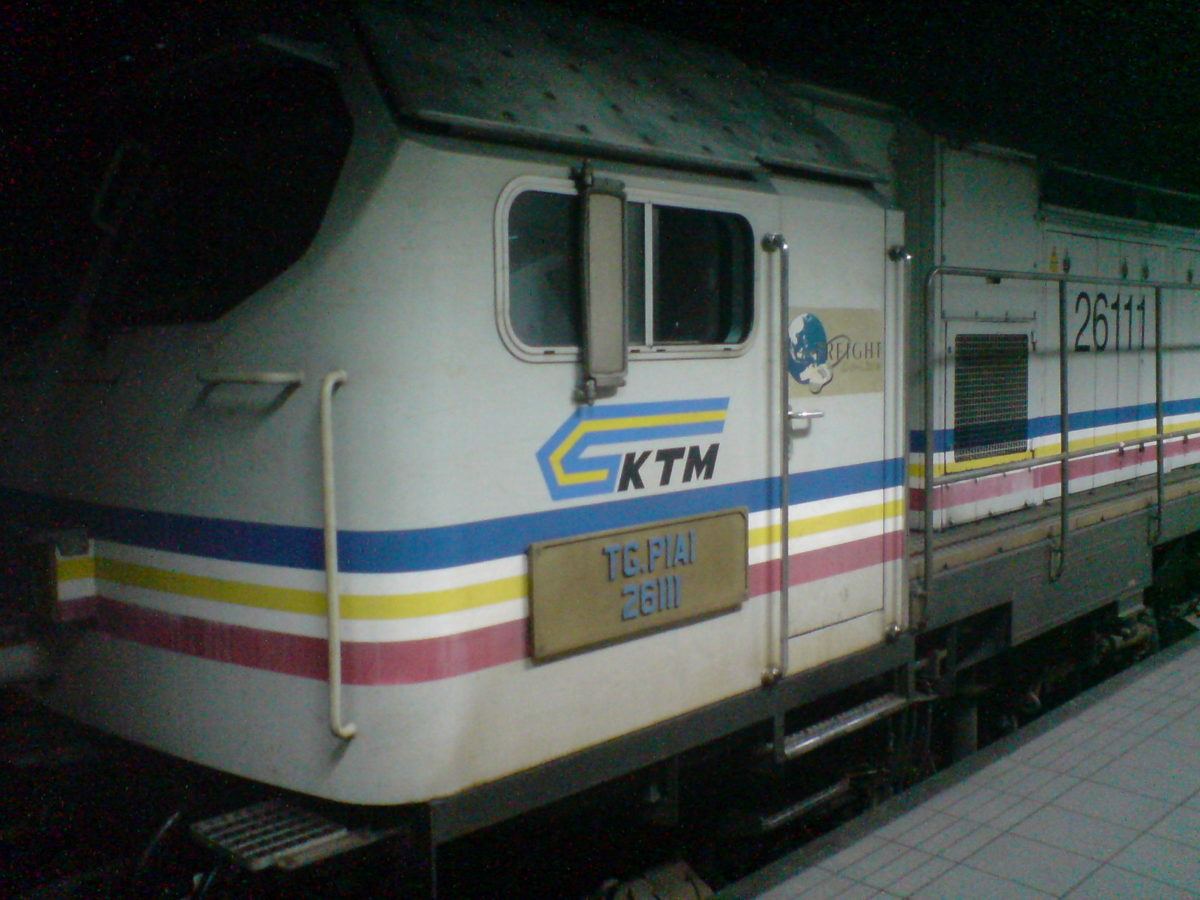
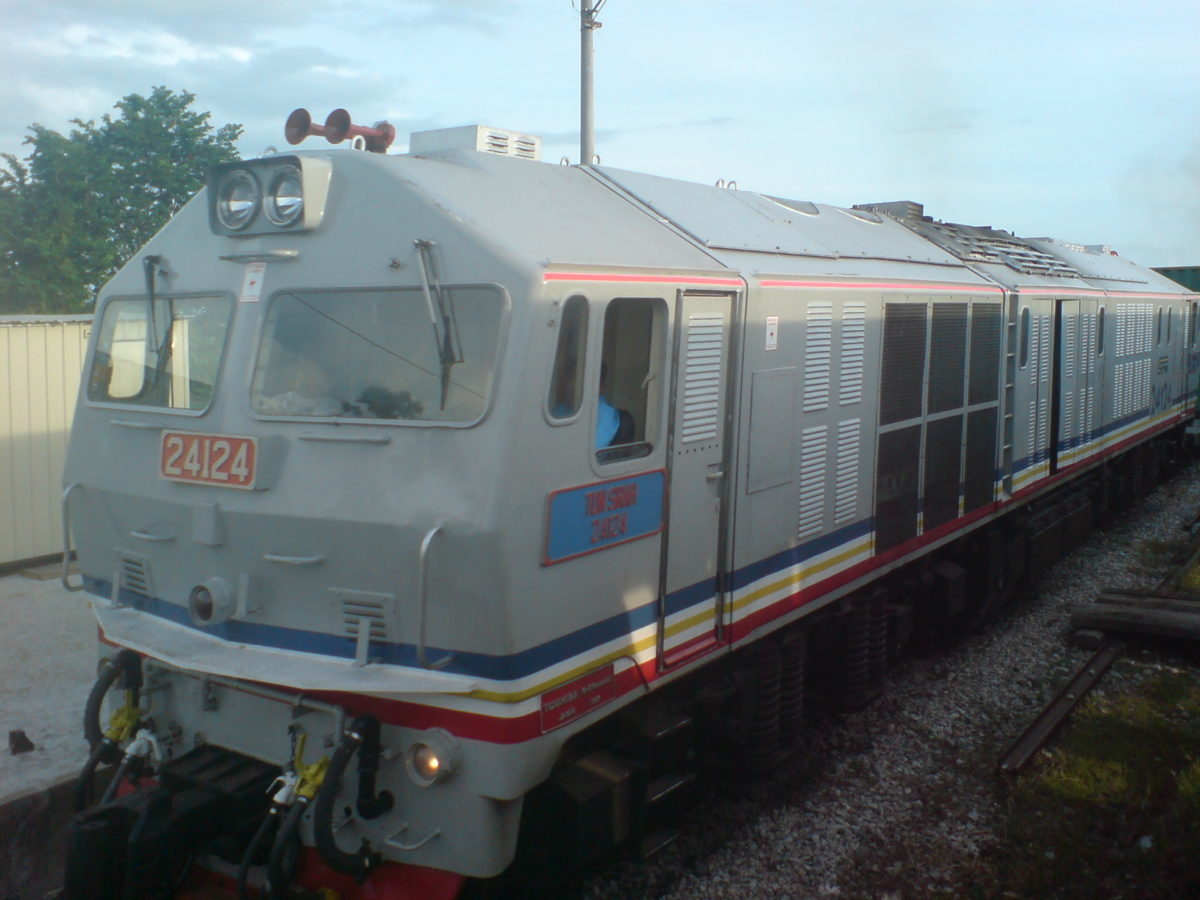
KTM Class 26 (aka Blue Tiger) is a group of 20 locomotives owned by KTM Berhad (KTMB).
The first batch of locomotives was first received by KTM Berhad on 2 October 2003. According to keretapi.com, another 15 locomotives will arrive by the year’s end. According to the same source also, this 3000hp locomotive is the most powerful locomotive that KTMB owns. It was built by Bombardier, Germany (Adtranz/General Electric collaboration).
Recently the Blue Tiger resurfaced again in mainstream newspapers because it has been used by a Johorean royalty for their Kembara Mahkota Program.
According to anonymous sources from the rail transport industry, the locomotive is more reliable than KTM Class 29 locomotive.
KTM Berhad, also known as Keretapi Tanah Melayu Berhad (KTMB), is a renowned Malaysian rail operator that has played a pivotal role in the country’s transportation landscape. KTMB in its current corporate structure is a Government-linked Company (GLC) that was incorporated from 1991 Railway Act.This article will delve into the rich history of KTM Berhad, tracing its roots and highlighting its significant contributions. Furthermore, we will explore the comprehensive range of services provided by KTM Berhad, showcasing its commitment to serving the nation’s transportation needs.
Services Provided by KTM Berhad
KTM Berhad operates an extensive network of rail services that cater to diverse needs and destinations across Malaysia. Let’s explore the various services offered by the company:
KTM Intercity: KTM Berhad’s intercity trains connect major cities and towns, offering comfortable and efficient long-distance travel options. Passengers can enjoy amenities such as spacious seating, onboard refreshments, and air-conditioning, ensuring a pleasant journey.
Electric Train Services (ETS): The ETS provides fast and convenient transportation between key cities, including Kuala Lumpur, Penang, and Ipoh. These high-speed trains offer a premium travel experience, featuring modern coaches, comfortable seating, and advanced safety systems.
KTM Komuter: KTM Berhad’s Komuter trains cater to daily commuters, facilitating seamless travel within metropolitan areas such as Kuala Lumpur, Klang Valley, and Seremban. These services are designed to alleviate traffic congestion, offering affordable fares and frequent departures.
KTM Kargo: KTM Berhad also plays a crucial role in the transportation of goods and cargo across the country. Its freight services enable businesses to efficiently transport their products, contributing to the overall economic development of Malaysia.
Tourist Train Services: Recognizing the allure of Malaysia’s scenic landscapes, KTM Berhad operates special tourist trains, such as the Eastern and Oriental Express, which provide luxury travel experiences for tourists seeking to explore the country in style.
KTM Berhad Customer Service
You can reach out to KTM Berhad using the following communication channels:
KTM Berhad has a fascinating history that dates back to its establishment in 1885 during the British colonial era. Originally known as the Federated Malay States Railways (FMSR), the railway system primarily served to transport tin ore from the mines to the ports. Over the years, the railway network expanded and played an essential role in facilitating trade and commerce across the Malaysian peninsula.
1869
The earliest proposals to build a railway through Singapore was put up by engineer W. J. du Port at an estimated cost of $200,000. However, a trade slump resulted in the project being shelved.
1871
Another proposal by the Tanjong Pagar Dock Company was put forward to the Governor of the Straits Settlements but public opinion was against the use of public funds for private interests.
1874
Sir Andrew Clarke announced his support for the construction of a railway for private use.
1881
First lokomotive FMSR N0 1
1885
The first section of the Malayan Railway was a seven and a half mile track, opened between Taiping and Port Weld, serving the main mining area in Larut. Service began on 1 February 1885, lasting until 1941.
1886
First Kuala Lumpur Station known as Kuala Lumpur and was located near Market Street opened in 19 September 1886.
The next section opened was the 21-mile run between Kuala Lumpur and Klang River (Bukit Kuda),Residen Station was built within this line.
1888
July 1888 first train crash in the country occurred in Sungai Kerawai near Teluk Anson, Perak.
1890
4 November 1890 – Opening Keretapi Sungei Ujong Railway line.
6 May 1890 – Opening section Taiping – Kamunting.
15 September 1890 – Opening section Klang River – Klang.
1891
July 1891 – Opening section between Sungei Ujung (Seremban) – Port Dickson
Three 0-6-2T locomotives (later FMSR Class J) built for the Sungei Ujong Railway in 1891.
1892
1 July 1892 -Opening section Kamunting – Ulu Sepetang.
7 November 1892 – Opening section Kuala Lumpur – Batu Junction – Rawang.
1893
19 May 1893 – Opening section Teluk Anson.
1st June 1893 – Second railway building in Kuala Lumpur Sultan Street station was opened
1 June 1893 – Opening section Kuala Lumpur – Pudu.
10 July 1893 – Opening section Rawang – Serendah.
6 September 1893 – Opening section Tapah Road.
17 October 1893 – Opening section Batu Gajah – Ipoh.
1894
Elephant derailed a train (Teluk Intan).
27 April 1894 – Opening section Kota Bharu – Batu Gajah.
Opening section Parit Jawa – Sungai Pulai.
29 September 1894 – Opening section Tapah Road – Talam.
6 October 1894 – Opening section Serendah – Kuala Kubu.
1895
Elephant derailed a train (Teluk Intan).
1 March 1895 – Opening section Pudu – Sungei Besi.
18 March 1895 – Opening section Talam – Kampar.
1 May 1895 – Opening section Kampar – Kota Bharu.
1896
The British created Federated Malay States Railway (FMSR), followed by the joining up of the initial four major lines built : Taiping – Port Weld , KL – Klang, Port Swettenham extension line, Seremban–Port Dickson line.
1 June 1896 – Opening section Ipoh – Tanjong Rambutan.
27 November 1896 – Opening section Tanjong Rambutan – Chemor.
1897
5 July 1897 – Opening section Chemor – Sungei Siput.
14 August 1897 – Opening section Sungei Besi – Kajang.
1898
1 July 1898 – Opening section Sungei Siput – Enggor.
1899
1 January, the extension from Klang to Port Swettenham, nearly 5 miles, was opened for passenger traffic. Terminus of the railway, on Klang Straits, and extensive wharves have been constructed.
1 July 1899- Opening section Prai Bukit – Mertajam.
1 September 1899 – Opening section Ulu Sepetang – Pondok Tanjong.
1 November 1899 – Opening section Krian River – Bagan Serai.
Frank Swettenham had planned to connect the FMSR from Prai to Singapore passing through Johor.
Construction of railway line between Gemas and Johor begin.
A single 4-4-2 tank locomotive (later FMSR Class K) built for the Sungei Ujong Railway.
1900
1 August 1900 – Opening section Kuala Kubu – Kalumpang
1 September 1900 – Opening section Bukit Mertajam – Nibong Tebal
15 September 1900 – Opening section Enggor – Kuala Kangsar
1 November 1900 – Opening section Perak boundary – Tanjong Malim
1 November 1900 – Opening section Kalumpang – Tanjong Malik
The main backbone of railway tracks linked Penang (Prai) to Seremban.
Opening of the Victoria Railway Bridge across Perak River in Perak.
1952
KTM introduce AWT to guard railway service from communist.
1957
The English Electric Class 20 was the first main line diesel loco to be introduced to Malaya.
1963
Port Klang Authority was established on 1 July 1963, taking over the administration of Port Klang from the Malayan Railway Administration.
1965
11 Nov 1965 : A six mile-long branch was added to the Singapore line, spanning Jurong and Bukit Timah.
1967
Construction of Penang Swing Bridge and opened by Duli Yang Maha Mulia Seri Paduka Baginda Tuanku Ismail Nasiruddin Shah Ibni Almarhum Sultan Zainal Abidin Shah – 14 September 1967.
1965
Class 21 locomotive was delivered in 2 batches, the first in 1965 and the second in 1968.
1971
KTM intoduced Class 22 locomotive.
1977
KTMB had started a weekend train service to Port Dickson on June 1, 1977, due to public requests but discontinued the service several years later because of poor response.
1983
KTM introduced Class 23 locomotive.
1987
KTM introduced Class 24 locomotive.
1988
Rehabilitation of 327 Kms. track from Paloh to Singpore & from Slim River to Seremban (1988-1994) – US$ 70 million.
1990
Arriving Class 25 (25101 – 25112) locomotive from General Motors, Ontario, Canada .
Double tracking of Rawang – Seremban railway line (1990- 1994)
1991
Double tracking of KL – Port Klang railway line (including spur line to Subang and Sentul (1991-1994) 21 Sep 1991 : Railway Act 1991 was tabled and approved by Parliament.
1992
1 Aug 1992 – KTM Berhad is corporatised under the Malaysian Railway Act of 1991 although it remains wholly-owned by the Malaysian government.
1993
Sep 1993 – The Eastern Oriental Express becomes the first train service to take passengers from Singapore and Kuala Lumpur to Bangkok.
Changes in immigration policies in 1993 when the immigration checkpoint at Tanjong Pagar was moved to Woodlands railway station.
Government approved the construction of new electrified railway system for KTMB Commuter Services.
1994
Widening of railway tunnel near Seremban (1994-1995)
The first electrified train system known as Electrified Multiple Unit (EMU) is bought in. 18 set EMU class 81 was bought from manufacturer Janbacher Transport, Austria /Hungary.
The Government awarded the contract to build KL Sentral integrated railway station to a concession company KL Semasa Sentral Sdn Bhd consist of MRCB group in consortium with KTMB.
1995
3 August 1995 – The first KTM Komuter trains began taking passengers between Kuala Lumpur and Rawang. Free trips were offered until 11 August 1995.
14 August 1995 – Commercial operations begin for the KTM Komuter between Kuala Lumpur and Rawang. It was then extended to Salak South on 29 September 1995.
28 August 1995 – Operations between Sentul and Shah Alam began. Service was extended to Klang on 29 September 1995. 20 November 1995 – The Rawang-Kuala Lumpur service extended to Kajang. 18 December 1995 – Entire KTM Komuter network opened with final stretch to Seremban opened. EMU Class 81 to serve commuters
28 August 1995 – Operations between Sentul and Shah Alam began. Service was extended to Klang on 29 September 1995.
20 November 1995 – The Rawang-Kuala Lumpur service extended to Kajang.
18 December 1995 – Entire KTM Komuter network opened with final stretch to Seremban opened.
EMU Class 81 to serve commuters
1996
KTMB leased 39 of YDM-4 locomotives from India.
Introduced Class 82 EMU.
Introduced Class 83 EMU.
1997
Track linking from Port Klang to Pulau Indah (1997-1999)
1999
Construction of Pelabuhan Tanjung Pelepas – Johor rail link (1999- 2002)
1 July 1901 – Opening section Kuala Kangsar – Padang Rengas.
July 1901 – 12 Class A locomotives originally assigned for both the Perak Railway and Selangor Railway.
Two pairs of 4-6-0 locomotives built for the Selangor Railway became FMSR class D when they were taken over by the FMSR in July 1901. .
A pair of 4-6-0 locomotives built for the Perak Railway became FMSR Class E when they were taken over in July 1901.
A pair of 4-4-0 locomotives built for the Selangor Railway became F class when taken over by the FMSR in July 1901.
1902
1 February 1902 – Opening section Alor Pongsu – Pondok Tanjong
1 May 1902 – Opening section Taiping Bukit – Gantang
1 May 1902 – Opening section Tapah Road – Bidor
1 May 1902 – Opening section Nibong Tebal – Krian River
14 June 1902 – Opening section Kajang – Bangi
1903
1 Jan 1903 – The Singapore-Kranji Railway line was announced completed. The section from Tank Road to Bukit Timah was opened.
1 February 1903 – Opening section Bangi – Batang Benar.
2 April 1903 – Opening section Batang Benar – Seremban.
10 Apr 1903 – The Woodlands extension was completed. The first passenger trains began transporting travelers to Bukit Timah Station.
15 July 1903 – Opening section Bukit Bantang – Padang Rengas.
15 July 1903 – Opening section Bidor – Sungkai.
15 July 1903 – Opening section Slim River – Tanjong Malik.
15 August 1903 -Opening section Sungkai Slim – River. Railway line between Perai – Seremban complete. Line between Tank Road and Woodlands in Singapore opened for service.
1904
1st Disember Tampin – Melaka line opened for service
1905
15 July 1905 – Opening section Seremban – Tampin
1 December 1905 – Opening section Tampin – Malacca Town
1 December 1905 – Opening section Batu Road – Batu Caves
1906
1 October 1906 – Opening section Tampin – Gemas.
1907
21 Jan 1907 – The extension to Pasir Panjang was completed.
Sixty engines of the Class H being built between 1907 – 1914
1908
The first batch of 5 Class I were delivered from Kitson in 1908.
1 March 1908 – opening section Gemas – Segamat
Keretapi Sungei Ujong was purchase by FMSR in Julai 1908 after 7 years operational.
15 October 1908 – Opening section Ipoh – Tronoh.
1909
24 March 1909 – Opening section (junction) Teluk Anson – New Wharves.
1 July 1909 – Opening section Segamat – Johore Bahru.
11 September 1909 – Opening section Tronoh – Tronoh mines.
The West Coast Line between Prai in Penang state and Johor Bahru completed and opened.
The Johore Railway was completed delivering most of the surface mail from central and western Peninsular Malaya due for Singapore.
1910
4 April 1910 – Opening section Gemas – Bahau.
4 April 1910 – Opening section Bahau – Kuala Pilah.
1 October 1910 – Opening section Bahau – Triang. Construction of Kuala Lumpur Railway Station begin.
1911
1 August 1911 – Opening section Triang – Semantan
1912
1 March 1912 – Opening section Semantan – Kuala Krau
16 November 1912 – Opening section Kuala Krau – Kuala Teh
Railway line construction in Kedah between Bukit Mertajam and Alor Setar begin.
The Johore locomotives were taken over by the FMSR in 1912
15 May 1913 – Opening section Kuala Teh – Tembeling.
1 June 1913 – Opening section Kapar – Jeram.
1 September 1913 – Opening section Jeram – Assam Jawa.
1 September 1913 – Opening section Port Swettenham Junction – Salak South Junction.
Beginning study in Perlis for railway construction to connect Perlis and Kedah with other Malay State.
The Singapore Government Railway was purchased by the FMSR.
1914
15 February 1914 – Opening section Assam Jawa – Kuala Selangor
1 May 1914 – Opening section Ampang Junction – Ampang
4 May 1914 – Opening section Tumpat Tanah – Merah
19 October 1914 – Opening section Bukit Mertajam Pinang Tunggal
Railway line construction from Alor Setar to Padang Besar begin.
1915
1 March 1915 – Opening section Pinang Tunggal – Gurun.
1 July 1915 – Opening section Tanah Merah Riverside.
1 September 1915 – Opening section Kuang Junction – Batu Arang.
4 October 1915 – Opening section Gurun – Alor Star.
Bukit Timah Railway Station was opened in 1915
1917
15 October 1917 – Opening section Alor Star – Bukit Ketri
15 October 1917 – Opening section Tembeling – Kuala Lipis
Kuala Lumpur Railway Station construction complete.
1918
1 February 1918- Opening section Batu Arang Batang Berjuntai
1 March 1918- Opening section Bukit Metri Padang Besar The properties and estates previously under the Singapore Railway were sold to the Government of the Federated Malay States for $4,136,000 and the railway renamed the Federated Malay States Railway (F.M.S.R.)
1 Julai 1918 – F.M.S.R network begin it’s service with Siam rail network.
1920
1 September 1920 – Opening section Pasir Mas – Rantau Panjang
1921
16 March 1921 – Opening section Kuala Lipis – Padang Tungku
FMSR numbers 214 to 233, the FMSR Class L was introduced in 1921
01 November 1921 – Hat Yai-Sungai Kolok Line opened; bridge connecting with FMSR at Rantau Panjang
Rail construction to east coast from Mersing begin.
1923
17 September 1923 – Opening section Johore Bahru – Woodlands
First train carrying goods travels across the Malaysia-Singapore Causeway on 17 September ; followed by the first passenger train on 1 October the same year.
1924
21 July 1924 – Opening section Tanah Merah – Krai
1 August 1924 – Opening section Kuala Kubu Road – Rasa (deviation)
1925
7 September 1925 – Opening section Salak South Junction – Sungei Besi (2nd track)
1927
17 October 1927 – Opening section Krai – Manek Urai 5 December 1927 – Opening section Chigar Perah – Merapoh
1928
A series of 5 0-6-2T locomotives Class T built by Bagnall for dock shunting.
1930
14 July 1930 – Opening section Merapoh – Gua Musang
14 July 1930 – Opening section Manek Urai – Kuala Gris
1931
5 September 1931 – Opening section Gua Musang – Kuala Gris
East Coast Line between Gemas and Bahau ; Mentakap ; Kuala Lipis ; Gua Musang ; Tumpat and Sungai Golok completed with the opening of the last stretch between Gua Musang and Kuala Gris in Kelantan.
1932
3 May 1932 – Opening section Bukit Timah Singapore, Tanjong Pagar
The Tanjong Pagar Station was officially opened by Sir Cecil Clementi.
1936
1936 – 1937 – The Tank Road to Bukit Timah line is dismantled.
1948
Malayan Railway Administration were created under The Malayan Railway Ordinance 1948 to manage railways previously managed by the states under FMS Railway. Malayan Railway Administration was later renamed as Keretapi Tanah Melayu (KTM).
1951 – 2000
Evolution and Transformation
In 1992, Malayan Railways Limited underwent a significant transformation and was restructured as a government-owned company, KTM Berhad. This move aimed to enhance operational efficiency, improve service quality, and position the company for future growth. With this transformation, KTM Berhad took on a more customer-centric approach, emphasizing the importance of providing reliable and convenient transportation options to the Malaysian public.
2001
Government decided to put privatization of KTMB on-hold as it was not financially viable. KTMB suffered considerable amount of money losses for commuter and long distance passenger services. Only the freight train service was profitable. Renong group pull back its interest to take over KTMB.
2002
KTMB was put back under internal management.
2003
Class 26 Blue Tiger, locomotives are KTMB’s latest and most modern traction.
2005
Class 29 Powerful diesel locomotives being supplied to KTMB from China.
1 July 2005 – KTM Komuter network began accepting Touch ‘n Go electronic farecards.
Ongoing Innovations and Future Plans
KTM Berhad is committed to continuous improvement and innovation. The company has implemented various initiatives to enhance customer experience and ensure operational excellence. These include introducing online ticketing systems, upgrading infrastructure, and adopting advanced technologies to improve efficiency and safety.
Looking ahead, KTM Berhad has ambitious plans for expansion and modernization. The company aims to introduce new train services, upgrade existing fleets, and enhance connectivity across various regions of Malaysia. These efforts will further strengthen KTM Berhad’s position as a leading rail operator and support the country’s transportation needs.
Conclusion: KTM Berhad has a rich and storied history that spans more than a century. From its humble beginnings as a tin ore transporter to its evolution into a comprehensive rail operator, KTM Berhad has continually adapted to meet the changing needs of the nation. With its diverse range of services and ongoing commitment to innovation, KTM Berhad is poised to shape the future of Malaysia’s railway transportation, ensuring that it remains an integral part of the nation’s growth and development for years to come.
Sources
http://braderdm.blogspot.com/2009/02/fmsrailway-ktmb-historical-date.html – source for KTMB history
A significant number of Malaysians use public transport to travel between the cities. Apart from rail transport, many Malaysians and tourists prefer to use express buses to go to the different cities in Malaysia. This is because Malaysian cities generally have better road connections compared to rail connection.
Currently, inter-city rail connection only covers certain cities along the west coast region of Peninsular Malaysia. Therefore, people going to other parts in Malaysia will need to use express bus service to reach their destination.
Express buses in Malaysia can be categorised to several categories, namely single decker and double decker. Besides, the seat arrangement is also different, with most long-haul routes will utilise the buses with 2+1 seat arrangement. On the other hand, shorter routes will generally utilise the smaller 2+2 seating arrangement.