Exploring Convenient Public Transport Options within Petronas Twin Towers Vicinity

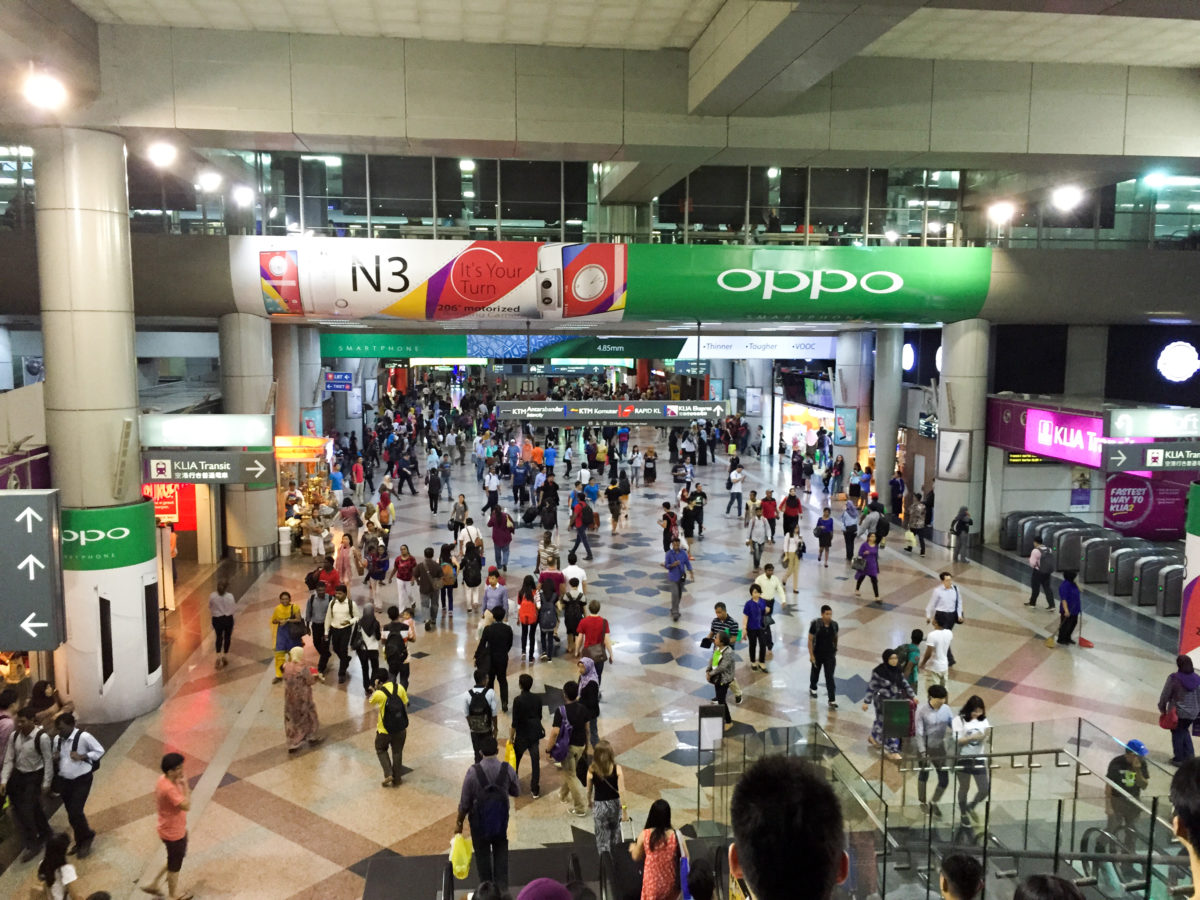
Petronas Twin Towers is an iconic landmark and a symbol of Kuala Lumpur’s modernity and progress. Located in the heart of the city, it attracts millions of visitors each year. To enhance accessibility and mobility, several convenient public transport options are available within the vicinity of the towers. In this article, we will explore the public transport options near Petronas Twin Towers, highlighting their convenience and benefits in facilitating easy access to this iconic destination and the surrounding attractions.

KLCC LRT Station

Situated just a short walk away from Petronas Twin Towers, KLCC LRT Station (Kelana Jaya Line) provides excellent connectivity to the rest of Kuala Lumpur. As part of the Kelana Jaya Line, this station offers seamless connections to key locations, including shopping districts, cultural landmarks, and residential areas. Commuters can easily reach popular destinations like Bukit Bintang, Chinatown, and Merdeka Square via the LRT network.

Raja Chulan Monorail Station

Located within close proximity to Petronas Twin Towers, Raja Chulan Monorail Station provides an alternative transportation option for commuters. The monorail system connects various areas of Kuala Lumpur, including popular shopping districts like Bukit Bintang and Pavilion Kuala Lumpur. Visitors can conveniently access the Petronas Twin Towers from Raja Chulan Monorail Station and explore the surrounding areas with ease.

Bus Services

Petronas Twin Towers is well-served by an extensive network of bus services, offering affordable and convenient transportation options. Numerous bus stops are located within walking distance of the towers, providing access to various parts of the city. Commuters can utilize the bus services to explore Kuala Lumpur’s attractions, business districts, and residential areas, making it a flexible and budget-friendly mode of transport.

Ride-Hailing Services

In addition to traditional public transport options, ride-hailing services like Grab are widely available in Kuala Lumpur. Visitors to Petronas Twin Towers can easily book a ride through mobile apps, ensuring convenient and reliable transportation to and from the towers. Ride-hailing services provide flexibility and personalized travel experiences, catering to the preferences and needs of individual commuters.

Pedestrian Walkways

For those who prefer to explore the area on foot, Petronas Twin Towers is surrounded by well-designed pedestrian walkways. These walkways provide safe and convenient access to nearby attractions, such as KLCC Park, Suria KLCC shopping mall, and the Aquaria KLCC. Visitors can enjoy a leisurely stroll while taking in the stunning architecture and vibrant atmosphere of the surroundings. You can also access a covered walkway to Pavilion KL.

Conclusion

Public transport options near Petronas Twin Towers offer convenience and accessibility to both locals and tourists visiting this iconic landmark. Whether it’s the KLCC LRT Station, Raja Chulan Monorail Station, bus services, ride-hailing services, or pedestrian walkways, commuters have a range of transportation choices to explore the towers and the vibrant city of Kuala Lumpur. These public transport options ensure easy access to the surrounding attractions, shopping districts, cultural landmarks, and residential areas, enhancing the overall travel experience for visitors. Embrace the convenience and accessibility of public transport near Petronas Twin Towers, and uncover the wonders of Kuala Lumpur with ease.

Bukit Bintang MRT Station

Bukit Bintang MRT Station is a bustling transportation hub located in the heart of Kuala Lumpur, Malaysia. It is a part of MRT Putrajaya Line. It serves as a gateway to the vibrant and bustling district of Bukit Bintang, known for its world-class shopping, dining, and entertainment options. In this article, we will delve into the features, accessibility, and benefits of Bukit Bintang MRT Station, highlighting its role in enhancing travel convenience and connecting commuters to the pulsating heart of the city.

Bukit Bintang MRT Station – Service Information and Schedule

Click here for service information and schedule on MYJadual.

MYJadual is a comprehensive online platform that provides up-to-date schedules and information for various transportation modes in Malaysia. With its user-friendly interface and accurate data, MYJadual helps commuters plan their journeys efficiently. Whether you need to check train, bus, or ferry schedules, MYJadual offers a convenient solution for accessing reliable transportation information. Stay informed and save time with MYJadual, your go-to resource for hassle-free travel planning in Malaysia.

Prime Location

Bukit Bintang MRT Station enjoys a prime location within the Bukit Bintang district, making it a central transportation hub for both locals and tourists. Situated amidst numerous iconic landmarks, luxury hotels, shopping malls, and popular attractions, the station serves as a convenient starting point for exploring the vibrant city.

Seamless Connectivity

Bukit Bintang MRT Station offers seamless connectivity to various transportation modes, enabling commuters to easily reach their desired destinations. The station is seamlessly integrated with other public transport networks, such as buses and monorail lines, providing commuters with convenient transfer options and ensuring smooth onward journeys.

Shopping Haven

Bukit Bintang is renowned as a shopping haven, and Bukit Bintang MRT Station acts as the gateway to this retail paradise. The station is situated within close proximity to popular shopping malls, including Pavilion Kuala Lumpur, Lot 10, and Fahrenheit88. Commuters can conveniently disembark at Bukit Bintang MRT Station and indulge in a world-class shopping experience.

Culinary Delights

The Bukit Bintang district is known for its diverse culinary scene, offering a wide array of local and international cuisines. Bukit Bintang MRT Station provides easy access to numerous eateries, from trendy cafes and food courts to fine dining establishments. Commuters can satisfy their taste buds with an extensive range of culinary delights just steps away from the station.

Entertainment and Nightlife

Bukit Bintang is also famous for its vibrant entertainment and nightlife scene. The MRT station allows easy access to popular nightlife spots, clubs, bars, and live music venues. Whether you’re looking for a relaxing evening at a rooftop bar or an exciting night of entertainment, Bukit Bintang MRT Station is the perfect starting point for your nocturnal adventures.

Tourist Attractions

In addition to its shopping, dining, and entertainment offerings, Bukit Bintang is surrounded by numerous tourist attractions. Commuters can conveniently access iconic landmarks like Petronas Twin Towers, KL Tower, and Jalan Alor, a famous food street known for its local delicacies. Bukit Bintang MRT Station serves as a gateway to these attractions, making it an ideal starting point for exploring the city’s cultural and architectural treasures.

Conclusion

Bukit Bintang MRT Station is not just a transportation hub; it is a gateway to an exciting and vibrant district. With its prime location, seamless connectivity, world-class shopping, diverse culinary scene, and vibrant nightlife, Bukit Bintang MRT Station offers commuters an unparalleled travel experience. Whether you’re a local resident or a tourist, this bustling station serves as a convenient starting point for exploring the heart of Kuala Lumpur’s dynamic cityscape. Experience the convenience and vibrancy of Bukit Bintang MRT Station, your gateway to endless possibilities in Kuala Lumpur.

Sungai Besi MRT Station

Sungai Besi MRT Station is a vital transportation hub that plays a significant role in Malaysia’s urban connectivity. It is a part of MRT Putrajaya Line. Serving as a gateway to various destinations, this state-of-the-art station has become a focal point for commuters and a symbol of modernity. In this article, we will explore the features, accessibility, and benefits of Sungai Besi MRT Station, highlighting its contribution to enhancing travel convenience and fostering urban development.

Sungai Besi MRT Station – Service Information and Schedule

Click here for service information and schedule on MYJadual.

MYJadual is a comprehensive online platform that provides up-to-date schedules and information for various transportation modes in Malaysia. With its user-friendly interface and accurate data, MYJadual helps commuters plan their journeys efficiently. Whether you need to check train, bus, or ferry schedules, MYJadual offers a convenient solution for accessing reliable transportation information. Stay informed and save time with MYJadual, your go-to resource for hassle-free travel planning in Malaysia.

Strategic Location

Located in the heart of Sungai Besi, Sungai Besi MRT Station enjoys a prime location that connects multiple key areas within the Klang Valley. Its strategic position provides commuters with easy access to important destinations such as Kuala Lumpur city center, Bandar Malaysia, and other adjacent residential and commercial areas.

Modern Infrastructure

Sungai Besi MRT Station boasts modern and innovative infrastructure, designed to cater to the growing demands of urban mobility. The station is equipped with advanced facilities, including spacious platforms, well-planned concourse areas, and state-of-the-art ticketing systems. These features ensure smooth passenger flow and enhance the overall travel experience.

Accessibility and Connectivity

Sungai Besi MRT Station is well-connected to various modes of transportation, making it highly accessible for commuters. It is seamlessly integrated with other public transport networks, including bus services and feeder lines, enabling commuters to easily transfer and continue their journeys. The station’s accessibility promotes multi-modal connectivity and encourages a shift towards sustainable transportation.

Passenger Amenities

Sungai Besi MRT Station prioritizes passenger comfort and convenience by offering a range of amenities. Commuters can enjoy well-designed seating areas, clean washrooms, and ample spaces for waiting and gathering. The station also provides barrier-free facilities, making it easily accessible for passengers with reduced mobility.

Surrounding Developments

The presence of Sungai Besi MRT Station has spurred significant urban development in its surrounding area. The station has attracted investments and catalyzed the growth of residential, commercial, and recreational developments. This transformation has resulted in a vibrant and thriving neighborhood, offering a mix of amenities, entertainment options, and employment opportunities.

Economic Impact

Sungai Besi MRT Station has had a positive economic impact by stimulating business activities and boosting local economies. The increased accessibility and connectivity provided by the station have attracted businesses to set up operations in the area, creating job opportunities and contributing to the local economy.

Sustainability Efforts

Sungai Besi MRT Station incorporates sustainability features and practices, aligning with Malaysia’s commitment to environmental preservation. The station employs energy-efficient systems, such as LED lighting and energy management systems, to reduce energy consumption. Additionally, rainwater harvesting and recycling initiatives are implemented to minimize water usage.

Conclusion

Sungai Besi MRT Station serves as a testament to Malaysia’s commitment to modern, efficient, and sustainable public transportation. Its strategic location, modern infrastructure, accessibility, and surrounding developments make it a vital transportation hub connecting communities and driving urban development. With its contribution to travel convenience, economic growth, and sustainability, Sungai Besi MRT Station continues to shape the future of transportation in Malaysia, providing a seamless and efficient journey for commuters while fostering vibrant and connected communities.

YTL’s Role in the Development of Malaysian Transport Sector

YTL Corporation is a leading infrastructure conglomerate in Malaysia, known for its involvement in various sectors, including the transport industry. With a strong commitment to innovation and sustainable development, YTL has played a significant role in shaping the transport landscape in Malaysia. In this article, we will explore YTL’s contributions and initiatives that have propelled the growth and transformation of the Malaysian transport industry.

The Express Rail Link (ERL)

YTL’s most notable contribution to the transport industry is its involvement in the Express Rail Link (ERL). The ERL connects Kuala Lumpur International Airport (KLIA) and the city center, providing a seamless and efficient transportation option for travelers. YTL’s investment in the ERL has greatly enhanced connectivity, making it more convenient for both domestic and international visitors to travel to and from the airport.

Sustainable Development Initiatives

YTL has been at the forefront of promoting sustainable development in the transport sector. With a strong focus on environmental conservation, YTL has implemented various initiatives to reduce the carbon footprint of its transport infrastructure. This includes the use of energy-efficient technologies, such as regenerative braking systems and LED lighting, in their rail projects, contributing to a greener and more sustainable transport network.

Integration of Technology

YTL has embraced technology to enhance the efficiency and convenience of transportation services. Through the use of smart ticketing systems, real-time passenger information, and digital platforms, YTL has improved the overall passenger experience. These technological advancements have made it easier for commuters to plan their journeys, purchase tickets, and access information, contributing to a seamless and connected transport ecosystem.

Focus on Customer Experience

YTL places a strong emphasis on delivering exceptional customer experiences in the transport sector. From well-maintained stations and comfortable seating to efficient services and friendly staff, YTL strives to ensure that passengers have a positive and enjoyable journey. By prioritizing customer satisfaction, YTL has gained a reputation for providing reliable and user-friendly transport services.

Conclusion

YTL Corporation has played a pivotal role in the development of the Malaysian transport industry through its innovative initiatives, sustainable practices, and commitment to customer satisfaction. From its involvement in the Express Rail Link (ERL) to its focus on sustainable development and integration of technology, YTL has set new benchmarks for excellence in the transport sector. With a vision for a connected and sustainable future, YTL continues to shape the transport landscape in Malaysia, driving progress, and enhancing the overall mobility experience for residents and visitors alike.

Connecting a Nation: Exploring the History and Impact of the Federated Malay States Railways (FMSR)

The Federated Malay States Railways (FMSR) holds a significant place in the transportation history of Malaysia. Established during the colonial era, the FMSR played a crucial role in connecting cities, fostering economic development, and shaping the nation’s railway system. In this article, we will delve into the rich history, key milestones, and lasting impact of the FMSR.

Historical Background

The FMSR was founded in 1901 during the British colonial rule in Malaysia. It emerged from the amalgamation of various railway companies operating in the Federated Malay States, which included Perak, Selangor, Negeri Sembilan, and Pahang. The primary objective was to create a unified railway network that would support economic growth and facilitate transportation within the region.

Network Expansion

The FMSR embarked on an ambitious network expansion plan, extending its railway lines to connect major cities and towns throughout the Federated Malay States. The completion of the main line, known as the West Coast Line, connected significant locations such as Kuala Lumpur, Ipoh, and Port Swettenham (now Port Klang). This expansion fostered economic development by facilitating the transportation of goods, raw materials, and people.

Economic Significance

The FMSR played a pivotal role in driving economic growth and development in Malaysia. It facilitated the transportation of key commodities, including tin, rubber, and agricultural products, from rural areas to major ports for export. This efficient transportation network opened up new markets, attracting investments and stimulating industrialization in the region.

Infrastructure Development

The FMSR made significant investments in infrastructure, constructing railway stations, workshops, bridges, and tunnels. These infrastructure developments not only provided vital support to the rail network but also contributed to the growth of surrounding communities. The presence of railway stations often led to the establishment of new towns and villages along the railway lines.

Social Impact

The FMSR had a profound social impact on the local communities. It provided a means of affordable transportation for people to commute to work, visit family and friends, and access education and healthcare facilities. The railways also played a role in promoting cultural exchange and connecting diverse communities across the region.

Technological Advancements

Over the years, the FMSR embraced technological advancements in the railway industry. The introduction of steam locomotives, followed by diesel and electric locomotives, revolutionized the efficiency and speed of train travel. These advancements enhanced passenger comfort and allowed for more efficient transportation of goods.

Legacy and Transformation

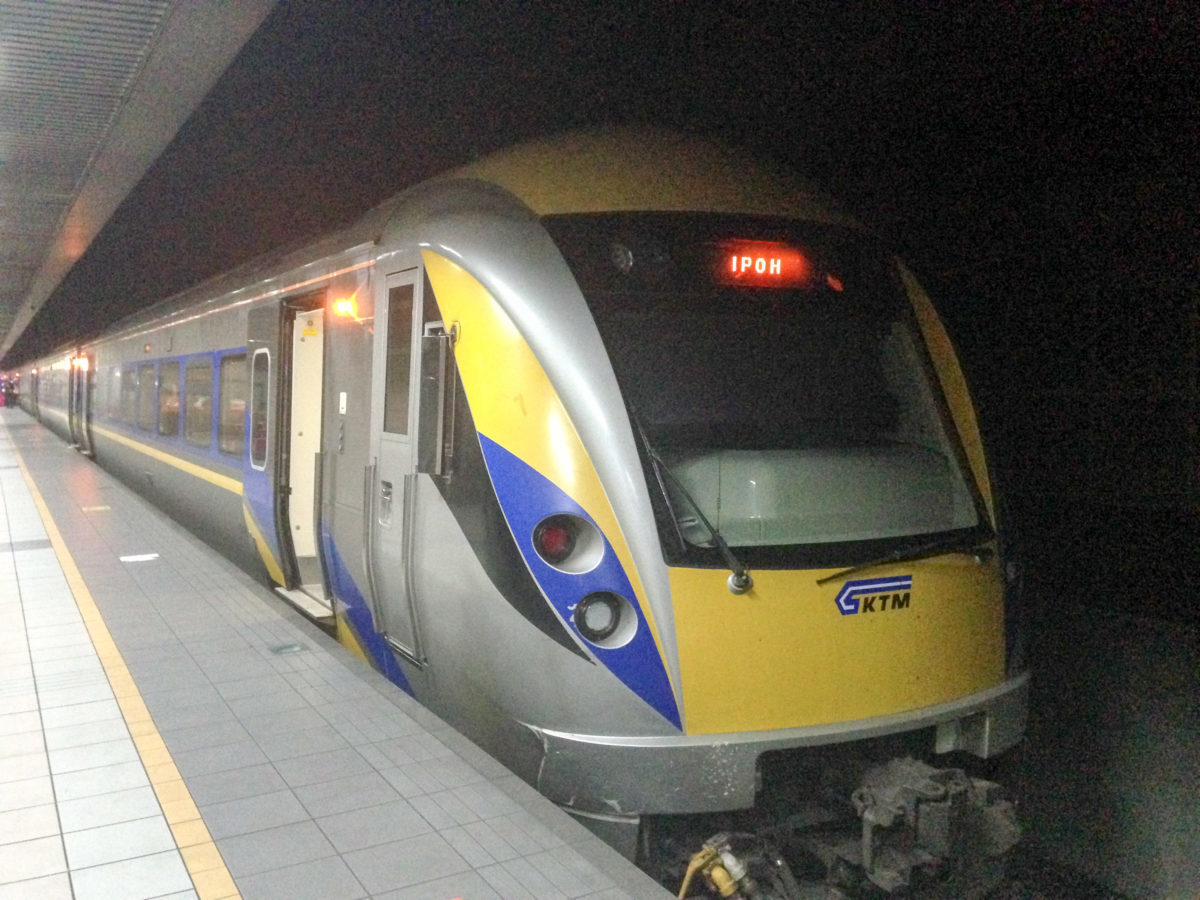
With the formation of Malayan Railway Administration (Keretapi Tanah Melayu or KTM) in 1948, the FMSR transformed into a larger entity. KTM continued to operate and expand the railway system in Malaysia, inheriting the infrastructure and expertise from the FMSR. The legacy of the FMSR lives on in the modern KTM system, which continues to play a crucial role in Malaysia’s transportation network.

In 1992, KTM has been corporatised and operates until today under the name “KTM Berhad“.

Conclusion

The Federated Malay States Railways (FMSR) holds a prominent place in Malaysia’s transportation history. From its inception during the colonial era to its lasting impact on economic development and connectivity, the FMSR played a vital role in connecting communities, fostering industrial growth, and shaping the railway system of the country. Its legacy continues through the modern-day KTM, which carries forward the vision of efficient, reliable, and inclusive railway transportation in Malaysia. The FMSR remains a testament to the power of railways in connecting people, driving economic progress, and shaping the development of a nation.

History of Public Transport in Malaysia

The history of public transport in Malaysia is a testament to the nation’s growth and development. From humble beginnings to a comprehensive network of modern transportation, Malaysia’s public transport system has undergone significant transformations over the years. In this cornerstone article, we will delve into the history of public transport in Malaysia, exploring its evolution, key milestones, and the role it plays in shaping the country’s infrastructure and connectivity.

Early Modes of Transportation

In the early days, Malaysia’s transportation relied heavily on traditional modes such as horse carriages, bullock carts, and riverboats. These rudimentary modes of transport served as the backbone of local communities, connecting people within towns and facilitating trade between regions.

Introduction of Railways – A Significant Part of History of Public Transport in Malaysia

The introduction of railways in Malaysia marked a significant milestone in the country’s transportation history. In 1885, the first railway line was established, connecting Taiping to Port Weld (now known as Kuala Sepetang). The development of railway networks expanded rapidly, with lines connecting major cities and towns, revolutionizing intercity travel and facilitating the transportation of goods.

The Rise of Buses

As Malaysia continued to develop, the need for a more flexible and accessible transportation system became evident. The 1920s witnessed the rise of buses as a popular mode of public transport. Buses gradually replaced horse-drawn carriages and trams, offering greater convenience and mobility for both urban and rural areas.

Urban Rapid Transit Systems

In the 1980s, Malaysia embarked on an ambitious plan to address the growing traffic congestion in urban centers. KTM Berhad has introduced KTM Komuter service in August 1995. KTM Komuter commenced its operations in August 1995, marking a crucial milestone in Malaysia’s rail transport development. The introduction of the Komuter service provided a much-needed rail link between various suburbs and urban centers, facilitating smoother and more efficient travel for commuters.

The LRT system in Malaysia took its first steps towards transforming public transportation with the opening of the Kelana Jaya Line in 1998. The LRT network has since expanded, connecting various parts of the city and improving accessibility for commuters.

Read more: LRT Kelana Jaya Line

Introduction of Monorail and Mass Rapid Transit (MRT)

In the early 2000s, Malaysia introduced the monorail system as an additional mode of urban transportation. The Kuala Lumpur Monorail, operating since 2003, has become an iconic feature of the city’s skyline.

However, it has faced several issues over the years that have affected its efficiency and reliability. One major issue with the KL Monorail is its aging infrastructure. The system was first introduced in 2003, and as time passes, the wear and tear on the tracks, trains, and stations have become evident. This has led to frequent breakdowns, delays, and service disruptions, inconveniencing commuters.

Furthermore, the recent development of the Mass Rapid Transit (MRT) system has further enhanced Malaysia’s public transport network, providing efficient connectivity to various suburbs and satellite towns. The MRT Kajang Line, also known as MRT SBK Line, is an integral part of Kuala Lumpur’s urban rail network. It spans approximately 51 kilometers, connecting densely populated areas and major transportation hubs. The MRT Putrajaya Line, also known as MRT SSP Line, is an extension of the MRT system. It serves as a crucial link connecting Kuala Lumpur to Putrajaya, Malaysia’s administrative capital.

Read more: MRT Kajang Line, MRT Putrajaya Line

Integration and Interconnectivity – Ongoing Issues Affecting Public Transport in Malaysia

Recognizing the importance of seamless connectivity, Malaysia has made efforts to integrate its various modes of public transport. Initiatives such as the Integrated Transport Terminal (ITT) and the Common Ticketing System have been introduced to ensure easy transfers between different modes of transport, making it more convenient for passengers to travel across the country.

Read more: Terminal Bersepadu Selatan (TBS) Kuala Lumpur,

Future Developments and Sustainability of Public Transport in Malaysia

Malaysia continues to invest in the development of its public transport infrastructure to meet the demands of its growing population and to address environmental concerns. Future projects include the expansion of existing rail networks, the introduction of electric buses, and the implementation of smart technologies to improve efficiency and sustainability.

As of now, Malaysia does not have any dedicated transport museum yet. However, Muzium Negara has some information about transport development in Malaysia.

Putrajaya: New City, Limited Options for Public Transport

Putrajaya, Malaysia’s administrative capital, is a well-planned city with a focus on creating a sustainable and connected urban environment. However, like any developing city, Putrajaya faces certain challenges when it comes to public transport connectivity. Its layout and spread-out nature make last-mile connectivity a significant challenge. Although buses are available, the lack of convenient bus stops and routes can make it difficult for commuters to reach their final destinations.

Putrajaya’s connectivity issues are further exacerbated by the limited integration with surrounding areas. Seamless travel between Putrajaya and neighboring cities such as Kuala Lumpur and Cyberjaya is essential for effective transportation networks. However, the lack of integrated transport systems and limited interconnectivity options make it challenging for commuters to travel between these areas efficiently.

Conclusion

The history of public transport in Malaysia is a testament to the country’s progress and commitment to connectivity. From humble beginnings to modern and integrated systems, Malaysia’s transportation infrastructure has evolved significantly over time. The continuous development and expansion of public transport networks have not only improved accessibility and mobility but also contributed to economic growth and environmental sustainability. As Malaysia looks towards the future, further advancements in public transport are expected, promising a more connected and sustainable nation for its people.

Vision and Mission of KTM ETS

When KTM ETS service was launched, it was operated by a fully-owned subsidiary of KTM Berhad, ET Sdn Bhd. According to the KTMB Chairman at that time, Dr. Aminuddin Adnan, the establishment of ET as a subsidiary of KTMB can create a more conducive environment, better work culture and discipline and role model to KTMB itself.

While ETS now is being operated directly as one of the services provided by KTMB, we think we still should share some of the details about the company when it was established many years ago. Here are the vision and mission of the subsidiary company:

Vision

Work as partners to make ETS a dominant player in the transportation industry by redefining values in commuting.

Mission

ETS will always engage our partners in all the workings and planning of the company to achieve the maximum contribution from the partners.

We will at all times keep the customer confidence by working at the top of our personal and professional performance levels.

We will do our absolute best to provide each and every customer with only the highest integrity, trust, love, teamwork, fun and energy, smile and innovation in providing the best customer service and timeliness on every trip “ABSOLUTELY”.

New 2018 KLIA Transit Train Schedule

Dear visitors, we would like to inform you that all schedules for KLIA Transit have been updated on myjadual.com. Therefore, you can expect to see the updated schedule on the website, which is available in both English and Malay language.

KLIA Ekspres / KLIA Transit klia2 station - 2014-07-15
KLIA Ekspres / KLIA Transit klia2 station – 2014-07-15

MYJadual is the website for you to check public transport schedules. Currently, MYJadual has train schedules for KTM ETS, KTM Intercity, KTM Komuter, KLIA Transit, KLIA Ekspres, RapidKL Bus, RapidKL Ampang / Sri Petaling Line, RapidKL Kelana Jaya Line and KL Monorail.

New 2018 KTMB Train Schedule

Dear visitors, we would like to inform you that all schedules for KTM Intercity, ETS and Komuter Sektor Utara has been updated on myjadual.com. Therefore, you can expect to see the updated 2018 KTMB schedule on the website, which is in both English and Malay languages.

MYJadual is the website for you to check public transport schedules. Currently, MYJadual has train schedules for KTM ETS, KTM Intercity, KTM Komuter, KLIA Transit, KLIA Ekspres, RapidKL Bus, RapidKL Ampang / Sri Petaling Line, RapidKL Kelana Jaya Line and KL Monorail.

KL Sentral

KL Sentral
KL Sentral

KL Sentral (also known as Kuala Lumpur Sentral, Sentral Kuala Lumpur and Sentral KL) is an intermodal transport hub located at the heart of Kuala Lumpur, Malaysia. KL Sentral is the major connecting station for various transit services in Kuala Lumpur, namely MRT SBK Line, KTM Komuter, LRT Kelana Jaya Line, LRT Ampang Line and KL Monorail. Apart from that, KL Sentral is also a terminal for KTM Intercity and KLIA Ekspres / KLIA Transit. RapidKL buses also stop here.

KL Sentral is conveniently located near several office buildings. In 2014, NU Sentral was opened for public, giving KL Sentral visitors a better shopping experience. The shopping mall is located next to KL Sentral and accessible via escalator for the shoppers’ convenience.

Station Information

Station
KL Sentral
Coordinates3.134747,101.68617
AddressKuala Lumpur Sentral, 50470 Kuala Lumpur, Federal Territory of Kuala Lumpur
Tel. No.+603-2267 1200 (Customer Service)
Constructed
Opened
Route(s)KTM ETS, KTM Komuter
Platform
ParkingUnknown
OKU AccessYes
Surau
RestroomsYes

Train Schedule

Click the button below for train schedule information of this station.

KTM ETS / Intercity / Komuter

Latest train schedule information brought to you by our partner, MYJadual.

KL Sentral Directory

NameTypeLocation
 Dunkin Donuts Food / Beverage Mezzanine floor
 Famous Amos Food / Beverage 1st floor
 Food Court Food / Beverage 3rd floor
 Secret Recipe Food / Beverage 1st floor
 Starbucks Food / Beverage 1st floor
 SUBWAY Food / Beverage 1st floor
 Restrooms Other Every floor
 Bank Rakyat Banking 1st floor
 CIMB Banking 1st floor
 Maybank Banking 1st floor
 Touch ‘N Go Card service 1st floor

Rail Operators

ServicePlatform
KTM Intercity / ETS1
KTM Intercity / ETS2
KTM Komuter3
KTM Komuter4
KTM Komuter5
KTM Komuter6
LRT Kelana Jaya LineMezzanine platform (2 side platforms)
KLIA EkspresDeparture platform
KLIA EkspresArrival platform
KLIA Transit1 island platform

Sources

  • Train timetable: KTMB official website (www.ktmb.com.my)
  • Phone number and addresses: KTMB official website and YellowPages Malaysia